Marsoc Training Guide: A Comprehensive Overview (Updated 04/01/2026)
Recent legal cases, as of today’s date – 04/01/2026 – highlight the intense scrutiny and high standards within MARSOC․ This guide details the rigorous path to becoming a Marine Raider,
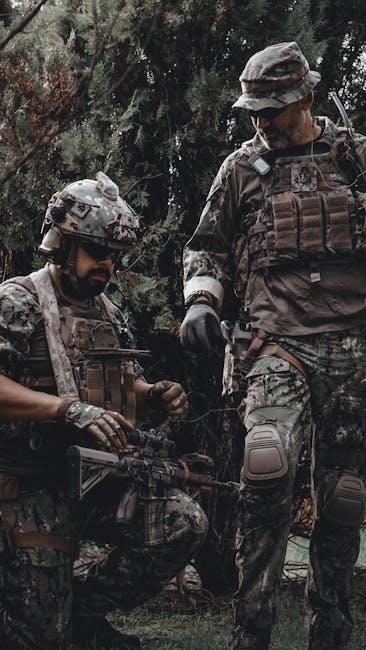
The Marine Corps Special Operations Command (MARSOC) represents the Marine Corps’ contribution to the nation’s special operations forces․ Established in 2006, MARSOC focuses on direct action, special reconnaissance, and building partnerships with foreign security forces․ Raider training is exceptionally demanding, designed to forge elite warriors capable of operating in small, highly adaptable teams across diverse and challenging environments․
Becoming a Marine Raider isn’t simply about physical prowess; it demands intellectual agility, emotional fortitude, and an unwavering commitment to the core values of honor, courage, and commitment․ The selection process is intentionally grueling, weeding out those who lack the necessary attributes․ Recent legal scrutiny, exemplified by cases surfacing as of April 1st, 2026, underscores the command’s dedication to accountability and upholding the highest ethical standards․
This comprehensive guide will navigate prospective Raiders through each phase of training, from initial screening to advanced skill development․ It will detail the physical, mental, and tactical challenges encountered, providing insight into the expectations and standards required to earn the coveted Raider title․ Understanding the depth and breadth of this training is crucial for anyone considering this demanding path․
II․ The MARSOC Selection Process
The MARSOC selection process is a multi-stage evaluation designed to identify candidates possessing the physical, mental, and psychological attributes necessary for success as a Marine Raider․ It begins with an administrative screening to verify eligibility based on rank, time in service, and medical qualifications․ Those who pass proceed to a rigorous battery of assessments, including the Initial Strength Test (IST), a demanding physical fitness evaluation․
Successful candidates then face the Marine Special Operations Command Assessment and Selection (MSOCAS), a 23-day evaluation encompassing land navigation, obstacle courses, swimming, and various team-based challenges․ MSOCAS is deliberately stressful, designed to assess a candidate’s ability to perform under pressure and maintain composure in adverse conditions․ The recent legal cases (as of 04/01/2026) emphasize the importance of ethical conduct throughout this process․
Selection is highly competitive, with a low acceptance rate․ Candidates are evaluated not only on their individual performance but also on their ability to work effectively as part of a team․ Those who successfully complete MSOCAS are invited to attend the Basic Raider Course (BRC), the first step in formal Raider training․
III․ Initial Screening & Assessment
The Initial Screening & Assessment phase serves as the first critical filter in the MARSOC selection process․ This stage focuses on verifying a candidate’s basic qualifications and identifying any potential disqualifiers․ Marines interested in joining MARSOC must meet specific requirements regarding their military record, physical fitness, and psychological profile․ A thorough review of a candidate’s service history is conducted, looking for any disciplinary actions or medical conditions that could hinder performance․
The Initial Strength Test (IST) is a key component, evaluating core strength, endurance, and functional fitness․ It includes events like pull-ups, sit-ups, a timed 1․5-mile run, and an obstacle course․ Beyond physical prowess, candidates undergo a psychological assessment to gauge their emotional stability, resilience, and suitability for the demands of special operations․
Recent legal scrutiny (as of 04/01/2026) underscores the importance of integrity during this phase; any dishonesty or misrepresentation can lead to immediate disqualification․ Successful completion of the initial screening advances candidates to the more demanding MSOCAS evaluation․
IV․ Basic Raider Course (BRC) ⎯ Phase 1: Physical Conditioning
Phase 1 of the Basic Raider Course (BRC) is a brutal, foundational period dedicated entirely to physical conditioning․ This phase aims to forge Marines into athletes capable of enduring the extreme physical demands of special operations․ Expect a relentless schedule of high-intensity workouts, including long-distance running (often with heavy loads), obstacle course negotiation, swimming, and calisthenics․
Emphasis is placed on building muscular endurance, cardiovascular fitness, and functional strength․ Cadre intentionally push candidates to their absolute limits, testing their pain tolerance and mental fortitude․ Nutritional guidance is provided, but Marines are largely responsible for fueling their bodies effectively․
The physical stress is compounded by sleep deprivation and limited recovery time․ Recent cases (as of 04/01/2026) involving Raider injuries highlight the importance of proper form and injury prevention, skills heavily emphasized by instructors․ Successful completion of Phase 1 isn’t just about physical capability; it’s about demonstrating the will to overcome adversity․
V; BRC ⸺ Phase 2: Fundamental Skills
Phase 2 of the Basic Raider Course (BRC) transitions from pure physical conditioning to the development of core special operations skills; This phase introduces Marines to the foundational techniques essential for operating in small, dispersed teams․ Key areas of focus include land navigation, patrolling techniques (both day and night), reconnaissance principles, and basic surveillance․
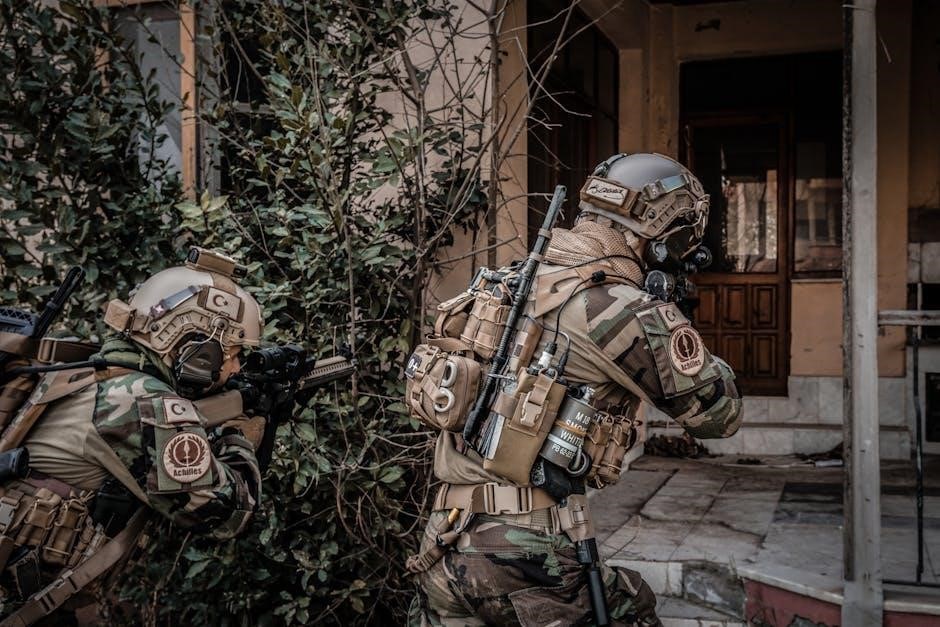
Marines receive intensive instruction in weapons handling, marksmanship fundamentals, and the employment of various sighting systems․ Communication skills are honed through radio procedures and tactical signaling․ Emphasis is placed on operating independently and making sound decisions under pressure․

The legal scrutiny surrounding MARSOC (as of 04/01/2026) underscores the importance of adhering to the rules of engagement and ethical conduct, topics integrated into the curriculum․ This phase isn’t simply about learning skills; it’s about internalizing them to the point where they become instinctive reactions․ Successful candidates demonstrate proficiency and adaptability․
VI․ BRC ⸺ Phase 3: Team Week & Evaluation
The culminating event of the Basic Raider Course is “Team Week,” a grueling seven-day field exercise designed to assess a candidate’s ability to function effectively within a small team under extreme stress and sleep deprivation․ Scenarios simulate realistic operational environments, demanding the application of all skills learned in Phases 1 and 2․
Marines are evaluated on their leadership, communication, problem-solving, and tactical proficiency․ Team Week emphasizes mission planning, execution, and after-action analysis․ Instructors deliberately introduce ambiguity and unexpected challenges to test adaptability and resilience․ The recent legal cases involving Marine Raiders (as of 04/01/2026) highlight the critical importance of sound judgment and adherence to protocols․
Successful completion of Team Week doesn’t guarantee graduation; a final evaluation board reviews each candidate’s performance throughout the entire BRC․ This board considers not only technical skills but also character, mental fortitude, and potential for future growth as a Marine Raider․
VII․ Individual Training Standards (ITS)
Following the Basic Raider Course, Marines progress to Individual Training Standards (ITS), a phase focused on refining core special operations skills․ ITS builds upon the BRC foundation, demanding mastery of advanced techniques in areas like land navigation, patrolling, reconnaissance, and surveillance․ Emphasis is placed on independent operation and the ability to gather and analyze critical information․
ITS incorporates a rigorous academic component, covering topics such as intelligence gathering, operational planning, and rules of engagement․ Marines are expected to demonstrate a comprehensive understanding of these principles․ The recent legal scrutiny surrounding Marine Raider operations (as of 04/01/2026) underscores the necessity of impeccable adherence to legal and ethical standards․
Successful completion of ITS requires Marines to meet or exceed specific performance benchmarks across a wide range of skills․ Continuous assessment and feedback are provided to identify areas for improvement and ensure readiness for more specialized training․
VIII․ Close Quarters Combat (CQC) Training
Close Quarters Combat (CQC) training within MARSOC is exceptionally demanding, preparing Raiders for violent encounters in confined spaces․ This phase transcends conventional military close combat; it emphasizes adaptability, speed, and decisive action under extreme stress․ Instruction covers dynamic entry techniques, room clearing procedures, and hostage rescue scenarios, utilizing both lethal and non-lethal methods․
Marines learn to operate effectively as a team, coordinating movements and utilizing communication protocols to maximize efficiency and minimize risk․ A significant focus is placed on situational awareness and the ability to rapidly assess and react to evolving threats․ The recent legal cases (as of 04/01/2026) involving Marine Raiders highlight the critical importance of disciplined and lawful application of force during CQC operations․
Live-fire exercises and force-on-force simulations are integral to CQC training, providing realistic and challenging environments for skill development and refinement․ Successful completion requires demonstrating proficiency in all aspects of close-quarters combat․
IX․ Advanced Marksmanship & Sniper Courses
Beyond basic marksmanship, MARSOC Raiders undergo intensive advanced training to achieve exceptional precision and proficiency with various weapon systems․ This includes courses focused on long-range shooting, wind reading, ballistics, and camouflage & concealment techniques․ The curriculum emphasizes shooting from unconventional positions and under stressful conditions, mirroring real-world operational scenarios․
The sniper course is highly selective, demanding exceptional physical and mental fortitude․ Candidates learn advanced observation skills, target identification, and the ethical considerations of precision engagement․ Emphasis is placed on blending into the environment and operating independently for extended periods․ Recent legal scrutiny (as of 04/01/2026) underscores the need for impeccable judgment and adherence to the rules of engagement․
Successful completion of these courses equips Raiders with the ability to deliver accurate and effective fire in support of mission objectives, often operating in complex and dynamic environments․ Continuous refinement of these skills is paramount․
X․ Maritime Operations Training
MARSOC’s operational environment frequently necessitates proficiency in maritime operations․ Training begins with foundational skills in swimming, water survival, and small boat handling․ Raiders learn to operate and maintain various craft, including rigid-hull inflatable boats (RHIBs), essential for littoral environments and clandestine insertions․ Emphasis is placed on navigation, boat tactics, and conducting operations from the sea․
This training extends to advanced techniques like visit, board, search, and seizure (VBSS) procedures, and operating in challenging conditions – including rough seas and limited visibility․ Given recent legal cases (as of 04/01/2026) involving operational conduct, adherence to maritime law and rules of engagement are heavily stressed․
Raiders develop the ability to conduct reconnaissance, direct action, and special reconnaissance missions from maritime platforms, enhancing their versatility and operational reach․ This comprehensive training prepares them for a wide spectrum of coastal and riverine operations;

XI․ Combat Dive Qualification (CDQ)
The Combat Dive Qualification (CDQ) course is a physically and mentally demanding component of MARSOC training, building upon foundational maritime skills․ Raiders undergo intensive instruction in open and closed-circuit diving techniques, underwater navigation, and dive planning․ They learn to utilize specialized diving equipment and operate effectively in various underwater environments, including currents, limited visibility, and contaminated water․
A significant focus is placed on underwater demolition, reconnaissance, and the clandestine insertion and extraction of personnel and equipment․ The curriculum includes emergency procedures, dive medicine, and the physiological effects of diving․ Given recent legal scrutiny (as of 04/01/2026) regarding operational adherence to standards, strict protocol is emphasized․
Successful completion of CDQ signifies a Raider’s ability to conduct specialized underwater operations, expanding MARSOC’s capabilities in littoral and riverine warfare․ This qualification is crucial for missions requiring stealth, precision, and adaptability in the underwater domain․
XII․ Small Boat Operations & Tactics
Following Combat Dive Qualification, MARSOC trainees progress to Small Boat Operations & Tactics, a critical skillset for maritime environments․ This phase focuses on proficiency in operating and maintaining various small craft, including Rigid Hull Inflatable Boats (RHIBs) and other specialized vessels․ Instruction covers boat handling, navigation, and seamanship under diverse conditions – day, night, and inclement weather․
Tactical elements are heavily emphasized, encompassing insertion/extraction techniques, patrolling, and close-quarters maneuvering․ Raiders learn to conduct maritime interdiction operations, vessel boarding procedures, and coordinated attacks from the sea․ Given recent legal cases (as of 04/01/2026), adherence to the rules of engagement and proper escalation of force procedures are paramount․
The course culminates in realistic scenario-based exercises, testing the Raiders’ ability to integrate small boat operations with other special operations tactics․ Mastery of these skills is vital for conducting missions in coastal regions, rivers, and waterways․
XIII․ Special Operations Skills
This section builds upon foundational training, focusing on specialized skills essential for complex, unconventional missions․ MARSOC Raiders receive intensive instruction in advanced reconnaissance techniques, including surveillance, target acquisition, and intelligence gathering in denied areas․ Emphasis is placed on operating discreetly and effectively in austere environments․
Further development includes advanced demolitions training, encompassing the use of various explosive devices and breaching techniques․ Communication skills are honed, focusing on secure communication protocols and the operation of specialized communication equipment․ Considering recent legal scrutiny (as of 04/01/2026), strict adherence to operational security (OPSEC) is continually reinforced․
Raiders also receive training in advanced medical skills, preparing them to provide trauma care in the field․ This phase aims to create highly adaptable and resourceful operators capable of executing a wide range of special operations tasks independently or as part of a larger team․
XIV․ Unconventional Warfare (UW) Training
Unconventional Warfare (UW) training equips Raiders to operate by, with, and through indigenous populations in hostile environments․ This complex skillset focuses on building relationships with local forces, providing training and advisory support, and facilitating resistance movements․ Emphasis is placed on understanding the political, economic, and cultural nuances of the operational area․

Raiders learn to assess the capabilities and vulnerabilities of potential partner forces, tailoring training programs to enhance their effectiveness․ Instruction covers topics such as intelligence gathering, communications, logistics, and small unit tactics․ Ethical considerations and the legal ramifications of UW operations, particularly relevant given recent cases (04/01/2026), are heavily emphasized;
UW training culminates in realistic field exercises simulating the establishment and support of a resistance network․ This prepares Raiders for missions requiring patience, adaptability, and a deep understanding of the human terrain․
XV․ Foreign Internal Defense (FID) Training
Foreign Internal Defense (FID) training prepares Marine Raiders to advise and assist partner nations in strengthening their security forces and governance․ Unlike UW, FID operates with the explicit consent and support of the host nation’s government․ The focus is on institutional capacity building, enhancing internal security, and promoting the rule of law․
Raiders receive extensive instruction in cross-cultural communication, foreign weapons systems, and the principles of adult learning to effectively train foreign security personnel; They learn to assess the needs of partner nations, develop tailored training programs, and monitor progress․ Recent legal scrutiny (as of 04/01/2026) underscores the importance of operating within established legal frameworks and respecting host nation sovereignty․
FID training includes practical exercises involving the mentoring of foreign security forces in areas such as marksmanship, small unit tactics, and intelligence gathering․ The goal is to empower partner nations to address their own security challenges sustainably․
XVI․ Language & Cultural Training
Effective communication and cultural understanding are paramount for Marine Raiders operating in diverse global environments․ Language training isn’t merely about vocabulary; it’s about comprehending nuances, idioms, and non-verbal cues crucial for building rapport and trust with local populations․ Emphasis is placed on languages relevant to current and potential operational areas, with intensive immersion programs forming a core component․
Cultural training extends beyond linguistic skills, delving into the history, social structures, religious beliefs, and political dynamics of target regions․ Raiders learn to navigate complex cultural landscapes, avoid unintentional offense, and build effective working relationships with local partners․ This training acknowledges the recent legal cases (as of 04/01/2026) highlighting the need for cultural sensitivity․
The curriculum incorporates scenario-based exercises and simulations to prepare Raiders for real-world interactions, fostering adaptability and cultural intelligence․ Proficiency is continuously assessed and refined throughout their careers․
XVII․ Regional Focus & Language Immersion
Following foundational language training, Raiders specialize in regional dialects and cultural intricacies pertinent to their assigned areas of operation․ This isn’t a generalized approach; instead, it’s a deeply focused immersion designed to cultivate native-level proficiency․ Current geopolitical hotspots and anticipated future engagement zones dictate the primary language focuses, adapting to evolving global dynamics․
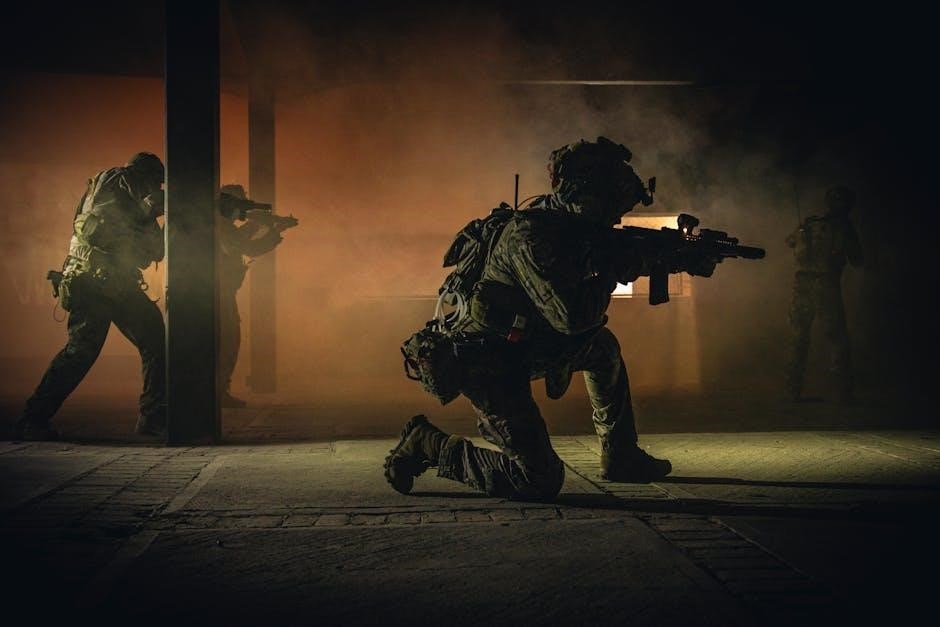
Immersion programs extend beyond classroom instruction, incorporating extended stays in host nations․ Raiders live within local communities, engaging in daily life, and interacting directly with native speakers․ This fosters practical application of language skills and provides invaluable cultural insights․ The recent legal scrutiny (as of 04/01/2026) underscores the importance of nuanced understanding․
These immersive experiences are supplemented by ongoing mentorship from native language experts and continuous assessment to maintain and enhance proficiency․ The goal is to create Raiders who can seamlessly integrate into local environments and operate effectively with minimal cultural friction․
XVIII․ Advanced Individual Training (AIT)
Advanced Individual Training (AIT) builds upon the foundational skills acquired during the Basic Raider Course and specialized training phases․ This stage focuses on refining individual capabilities and preparing Raiders for complex, real-world operational scenarios․ AIT isn’t a single course, but a series of tailored programs designed to address specific skill gaps and enhance expertise․
Emphasis is placed on advanced tactical driving, long-range reconnaissance, and sophisticated communication techniques․ Raiders receive intensive instruction in intelligence gathering, analysis, and dissemination․ The recent legal cases (as of 04/01/2026) highlight the need for impeccable judgment and adherence to operational protocols, which are reinforced during AIT․
AIT also incorporates scenario-based exercises that simulate the challenges of operating in austere and ambiguous environments․ These exercises demand adaptability, critical thinking, and decisive action․ Successful completion of AIT signifies a Raider’s readiness to deploy and contribute to MARSOC’s mission․
XIX․ SERE (Survival, Evasion, Resistance, Escape) Training
SERE training is a cornerstone of MARSOC’s preparation, equipping Raiders with the skills to survive, evade capture, resist interrogation, and ultimately escape should they find themselves isolated in hostile territory․ This physically and mentally demanding course pushes individuals to their absolute limits, fostering resilience and resourcefulness․
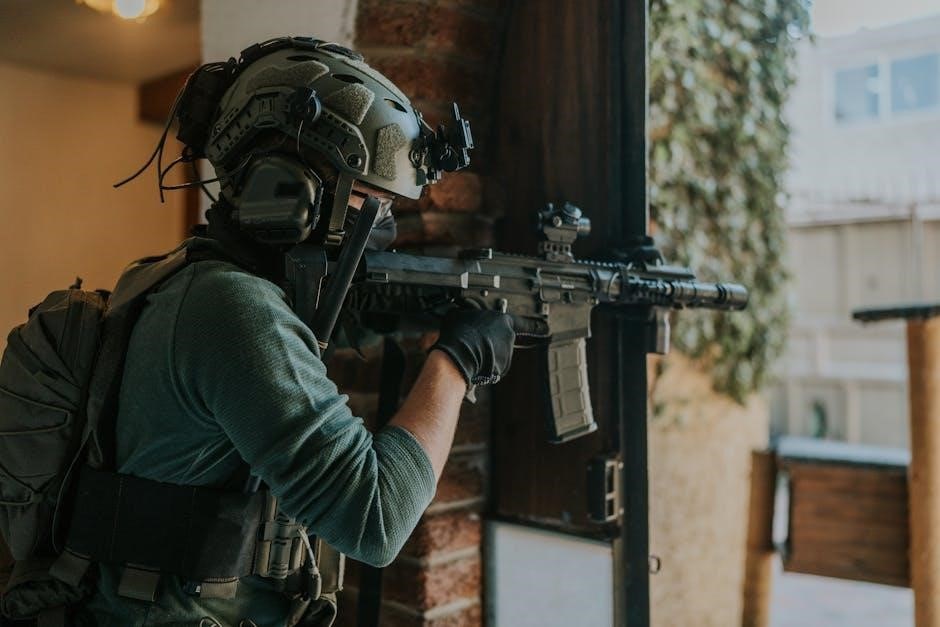
The curriculum encompasses wilderness survival techniques – including shelter building, fire starting, and foraging – alongside evasion tactics designed to exploit terrain and avoid enemy detection․ A significant portion focuses on resisting interrogation, teaching Raiders how to maintain composure and protect sensitive information under duress․
Given recent legal scrutiny (as of 04/01/2026) regarding operational conduct, the ethical considerations within SERE training are heavily emphasized․ Raiders learn the laws of armed conflict and the importance of upholding moral principles, even in extreme circumstances․ Successful completion demonstrates a Raider’s ability to endure and overcome adversity․
XX․ Maintaining Raider Standards: Ongoing Training
Becoming a Raider is not a destination, but a continuous journey of refinement and improvement․ MARSOC emphasizes perpetual training to maintain peak operational readiness and adherence to the highest standards․ This commitment is particularly crucial given recent legal cases (as of 04/01/2026) highlighting the need for unwavering professionalism․
Recurring assessments, encompassing physical fitness tests, weapons qualifications, and tactical evaluations, ensure Raiders remain proficient in core skills․ Specialized training evolutions address emerging threats and refine existing capabilities․ Emphasis is placed on small unit tactics, close quarters combat, and advanced marksmanship․
Furthermore, ongoing professional military education fosters critical thinking and leadership development․ This continuous learning cycle, coupled with rigorous self-assessment and peer review, guarantees that MARSOC Raiders remain a highly capable and adaptable special operations force, ready to respond to any global challenge․
XXI․ Recurring Assessments & Skill Refinement
To uphold the demanding standards of a Marine Raider, continuous evaluation is paramount․ Recurring assessments aren’t punitive measures, but opportunities for growth and skill refinement, especially relevant considering recent legal scrutiny (as of 04/01/2026) demanding impeccable conduct and competence․ These evaluations span a broad spectrum of capabilities․
Physical Fitness Tests (PFTs) are administered regularly, exceeding standard Marine Corps requirements․ Weapons qualifications are conducted quarterly, focusing on precision and tactical application․ Tactical proficiency is assessed through realistic training scenarios, emphasizing decision-making under pressure and small unit coordination․
Beyond core skills, specialized assessments target areas like maritime operations, close quarters combat, and language proficiency․ Feedback is provided immediately, allowing Raiders to identify weaknesses and focus on targeted improvement․ This cyclical process of assessment, refinement, and re-assessment ensures sustained operational excellence․
XXII․ Legal Considerations & Recent Cases (as of 04/01/2026)
Marine Raiders operate in complex environments, demanding strict adherence to the Law of Armed Conflict and Rules of Engagement․ Recent legal cases, notably the dismissal of final convictions against Marines involved in the 2019 death of a Green Beret, underscore the critical importance of legal awareness and ethical conduct․ These cases highlight the potential for scrutiny and the need for impeccable decision-making․
Training now incorporates enhanced legal instruction, covering topics like use of force, detainee operations, and accountability․ Emphasis is placed on understanding the consequences of actions and the importance of reporting misconduct․ Commanders are responsible for fostering a climate of compliance and ethical leadership․
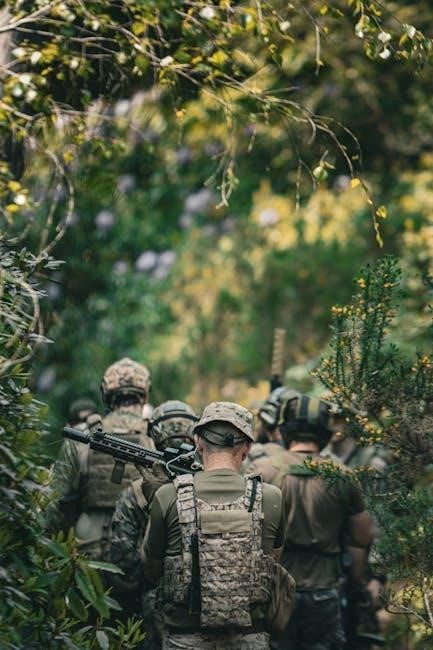
Furthermore, MARSOC actively reviews its policies and procedures to mitigate legal risks․ This includes improved oversight of training exercises and operational deployments․ Maintaining a strong legal foundation is vital for preserving operational freedom and upholding the reputation of the Marine Raider Regiment․