Beetle-B-Gon Max: A Comprehensive Usage Guide
Beetle-B-Gon Max utilizes Bacillus thuringiensis subsp․ galleriae, a natural soil microorganism, effectively targeting beetle grubs while remaining safe for beneficial insects․
This guide details optimal application timing, ensuring maximum control and a thriving, protected lawn, focusing on preventative measures against root-feeding grub damage․
Understanding Beetle-B-Gon Max
Beetle-B-Gon Max represents a significant advancement in grub and beetle control, leveraging the power of a naturally occurring soil bacterium: Bacillus thuringiensis subsp․ galleriae (BtG)․ Unlike harsh chemical insecticides, Beetle-B-Gon Max offers a targeted approach, specifically designed to disrupt the digestive systems of susceptible beetle larvae – commonly known as grubs – without posing a threat to beneficial insects like bees, butterflies, and ladybugs when applied as directed․
This unique active ingredient works by producing a protein that, when ingested by the grubs, effectively halts their feeding process․ This leads to their eventual demise, preventing further damage to your lawn’s root system․ The formulation is designed for preventative and curative applications, offering flexibility in your lawn care strategy․ It’s crucial to understand that Beetle-B-Gon Max isn’t a contact killer; grubs must consume the treated area to be affected, emphasizing the importance of proper application and distribution․
Furthermore, the naturally occurring nature of BtG means it breaks down relatively quickly in the environment, minimizing long-term impacts․ This makes it a responsible choice for environmentally conscious homeowners seeking effective pest control․ Understanding these core principles is fundamental to maximizing the benefits of Beetle-B-Gon Max and achieving a healthy, vibrant lawn․
Active Ingredient: Bacillus thuringiensis subsp․ galleriae
Bacillus thuringiensis subsp․ galleriae (BtG) is the cornerstone of Beetle-B-Gon Max’s effectiveness․ This naturally occurring soil microorganism isn’t a synthetic chemical, but a bacterium found in the environment․ Its mode of action is highly specific: BtG produces proteins that are toxic to certain beetle larvae, specifically grubs, when ingested․ This targeted approach is what allows Beetle-B-Gon Max to control pests without harming beneficial insects․
The bacterium works by disrupting the grub’s digestive system, effectively stopping them from feeding․ Without the ability to nourish themselves, the grubs cease to grow and eventually die․ This process isn’t instantaneous; it requires the grubs to actively feed on treated areas, highlighting the importance of even application․
BtG is considered environmentally friendly because it breaks down relatively quickly in the soil, minimizing residual effects․ It’s also non-toxic to humans, pets, birds, and, crucially, pollinators like bees and butterflies․ The specificity of BtG ensures that only susceptible beetle larvae are affected, preserving the delicate balance of your lawn ecosystem․ Understanding this biological mechanism is key to appreciating the unique benefits of Beetle-B-Gon Max․
Target Pests: Susceptible Beetles and Grubs
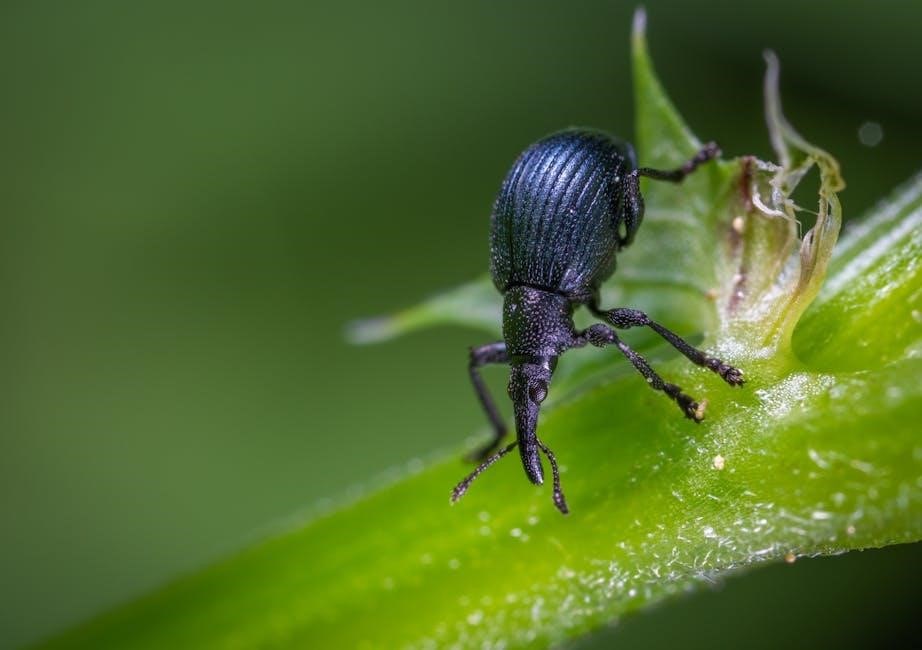
Beetle-B-Gon Max is specifically formulated to combat a range of troublesome beetles and their damaging larvae – grubs․ Primary targets include Japanese beetles, known for their skeletalizing leaf damage, and European chafer grubs, notorious for extensive root feeding․ Other susceptible pests are masked chafer grubs and May/June beetle grubs, all of which can inflict significant harm to turfgrass․
The product’s effectiveness centers on targeting the larval stage․ Grubs feed on grass roots, disrupting water and nutrient uptake, leading to brown patches and weakened turf․ Identifying grub damage – easily pulled turf, increased animal activity – is the first step in effective control․
It’s important to note that Beetle-B-Gon Max isn’t a broad-spectrum insecticide․ It won’t control all beetle species, focusing instead on those susceptible to Bacillus thuringiensis subsp․ galleriae․ Correct identification of the pest is crucial for successful treatment․ While adult beetles may cause aesthetic damage, the real threat lies beneath the surface with their root-feeding offspring, making grub control paramount for lawn health․
Beneficial Insect Safety: Bees, Butterflies, and Ladybugs
A significant advantage of Beetle-B-Gon Max lies in its selective action․ Unlike many conventional insecticides, it poses minimal risk to beneficial insects crucial for a healthy garden ecosystem․ The active ingredient, Bacillus thuringiensis subsp․ galleriae, specifically targets beetle larvae (grubs) and exhibits a high degree of safety towards pollinators like bees and butterflies․
Ladybugs, vital predators of aphids and other garden pests, are also unaffected by Beetle-B-Gon Max when the product is used as directed․ This is because the bacterium operates through a different mode of action than broad-spectrum insecticides, impacting only the digestive systems of susceptible grubs․
Maintaining a thriving population of beneficial insects is essential for long-term pest management․ By choosing Beetle-B-Gon Max, gardeners can effectively control damaging grubs without disrupting the delicate balance of their garden’s ecosystem, promoting natural pest control and overall plant health․ Responsible application, following label instructions, further ensures the safety of these valuable allies․
Application Timing for Optimal Control
Effective grub control hinges on precise timing․ Spring applications (April-late May) target overwintering grubs, while late June to early August controls newly hatched larvae․
Strategic timing maximizes Beetle-B-Gon Max’s impact, ensuring a healthy lawn by interrupting the grub life cycle at critical stages․
Spring Application (April ⎻ Late May)
Spring application of Beetle-B-Gon Max is crucial for managing grubs that survived the winter months․ As the ground thaws, these grubs begin migrating towards the surface to feed on plant roots, making them particularly vulnerable․ This period, spanning from April through late May, represents a prime opportunity for intervention․
The goal during spring application is to intercept these grubs before they inflict significant damage to your lawn․ Beetle-B-Gon Max, containing Bacillus thuringiensis subsp․ galleriae, works by disrupting the grub’s digestive system, effectively halting their feeding and development․ Ensure the ground is adequately thawed before application, as the product needs soil contact to be effective․
Consistent moisture following application aids in the movement of the active ingredient through the soil profile, increasing its reach to the grub population․ This timing is preventative, aiming to reduce the overall grub population before the summer generation emerges․ Remember, early detection and spring treatment are key components of a comprehensive grub control strategy, leading to a healthier, more resilient lawn throughout the growing season․
Proper timing and application during this period will significantly minimize potential lawn damage․
Controlling Overwintering Grubs
Overwintering grubs represent a significant threat to lawn health, having spent the colder months feeding on roots and preparing for renewed activity in the spring․ Beetle-B-Gon Max offers an effective solution for controlling these established pests during their vulnerable migration period․
As temperatures rise and the ground thaws, these grubs move closer to the soil surface to resume feeding․ This spring migration is the ideal time to apply Beetle-B-Gon Max, as the product’s active ingredient, Bacillus thuringiensis subsp․ galleriae, targets them directly․ The bacteria disrupts their digestive processes, preventing further root damage․
Successful control relies on timing the application to coincide with this grub movement․ Applying Beetle-B-Gon Max after the ground has thawed, but before the grubs have caused extensive feeding damage, maximizes its effectiveness․ Adequate watering post-application is essential, helping the product penetrate the soil and reach the grub population․
By targeting overwintering grubs in the spring, you proactively protect your lawn and reduce the potential for summer grub infestations․
Summer Application (Late June ⎻ Early August)
Summer application of Beetle-B-Gon Max focuses on controlling newly hatched grub larvae, preventing them from establishing and causing significant root damage later in the season․ This proactive approach is crucial for maintaining a healthy, resilient lawn throughout the summer months․
During late June and early August, the first generation of grub larvae emerges and begins feeding on grass roots․ Applying Beetle-B-Gon Max during this period intercepts them before they mature and inflict widespread damage․ The Bacillus thuringiensis subsp․ galleriae actively disrupts their feeding and development․
Effective summer application requires even distribution of the product across the lawn․ Ensure the ground is adequately moist before application, and follow up with watering afterward to help the bacteria penetrate the soil and reach the larvae․ This ensures maximum contact and efficacy․
Consistent monitoring of your lawn for early signs of grub activity, combined with timely summer application of Beetle-B-Gon Max, will contribute to a lush, thriving lawn․
Targeting Newly Hatched Grub Larvae
Beetle-B-Gon Max is exceptionally effective when targeting newly hatched grub larvae․ These young grubs are most vulnerable as they haven’t yet developed the protective layers of older larvae, making them highly susceptible to the Bacillus thuringiensis subsp․ galleriae․ This early intervention is key to preventing extensive lawn damage․
The active ingredient works by disrupting the larvae’s digestive system, causing them to cease feeding and ultimately leading to their demise․ Applying the product when larvae are small maximizes its impact, minimizing the need for more aggressive control measures later in the season․
Successful targeting requires understanding the grub life cycle․ Newly hatched larvae are typically present in the upper layers of the soil during late summer․ Proper application, ensuring even distribution and adequate soil moisture, is vital for reaching these developing pests․
Consistent monitoring and timely application of Beetle-B-Gon Max during this critical stage will safeguard your lawn’s health and vitality, promoting strong root growth and overall resilience․
Application Instructions & Best Practices
Beetle-B-Gon Max requires thawed ground for effective penetration․ Even distribution is crucial, followed by watering to activate the Bacillus thuringiensis․
These steps ensure optimal contact with grubs, maximizing control and protecting your lawn’s health․
Ground Thawing Requirement
Beetle-B-Gon Max’s efficacy is directly linked to soil temperature and moisture levels․ The active ingredient, Bacillus thuringiensis subsp․ galleriae, requires a thawed ground environment to properly migrate and locate grub larvae․ Application to frozen ground severely limits the product’s ability to reach the target pests, resulting in significantly reduced control․
Before applying Beetle-B-Gon Max, verify that the soil has thawed to a depth of at least one inch․ This is particularly important during spring applications, as fluctuating temperatures can lead to repeated freezing and thawing cycles․ Waiting until the ground is consistently thawed ensures the microorganism can actively move through the soil profile․
Furthermore, thawed ground allows for better granule distribution and subsequent activation by watering․ The granules need to come into contact with moist soil to release the active ingredient․ Applying to frozen ground hinders this process, preventing the Bacillus thuringiensis from effectively targeting and controlling the grub population․ Monitoring local weather conditions and soil temperatures is highly recommended to determine the optimal application window․
Essentially, a thawed ground is not merely a suggestion, but a fundamental prerequisite for successful grub control with Beetle-B-Gon Max․
Even Distribution is Key
Achieving uniform coverage is paramount when applying Beetle-B-Gon Max for optimal grub control․ Uneven distribution leads to inconsistent results, leaving some areas of your lawn vulnerable to infestation while others receive adequate protection․ A broadcast spreader, properly calibrated, is the recommended application method to ensure granules are dispersed evenly across the treatment area․
Avoid overlapping passes with the spreader, as this can result in over-application in certain zones, potentially impacting soil health․ Conversely, gaps in coverage allow grubs to thrive unchecked․ Walking at a consistent pace while operating the spreader is crucial for maintaining a uniform application rate․
For lawns with obstacles like trees or shrubs, hand application may be necessary to ensure complete coverage around these areas․ Pay close attention to edges and corners, as these are often overlooked․ Following the recommended application rate, as specified on the product label, is essential, regardless of the application method․
Consistent, even distribution maximizes the effectiveness of Beetle-B-Gon Max, providing comprehensive grub control and promoting a healthy, vibrant lawn․
Watering After Application
Following the application of Beetle-B-Gon Max, watering is a critical step to activate the Bacillus thuringiensis subsp․ galleriae and ensure its effective penetration into the soil․ This process initiates the biological control mechanism, allowing the active ingredient to reach the targeted grub larvae․
A light watering – approximately ¼ to ½ inch of water – is sufficient to move the granules into the root zone where grubs reside․ Avoid heavy irrigation, which can wash away the product and diminish its efficacy․ The goal is to moisten the soil, not saturate it․
Watering should ideally occur immediately after application, or within 24 hours, to prevent the granules from drying out and becoming less effective․ If rainfall is anticipated, it can often substitute for manual watering, provided the amount of precipitation falls within the recommended range․
Proper watering enhances the bioavailability of Beetle-B-Gon Max, maximizing its impact on grub populations and contributing to a healthier, more resilient lawn․ Consistent moisture levels support the ongoing activity of the beneficial bacteria․
Beetle-B-Gon Max and Lawn Health
Beetle-B-Gon Max prioritizes preventative lawn care, safeguarding roots from damaging grub feeding․ A healthy lawn resists pest pressure, ensuring vibrant growth and resilience․
Protecting roots fosters strong turf, while consistent application supports long-term lawn vitality and minimizes potential damage from beetle infestations․
Protected Lawns: Prevention Focus
Beetle-B-Gon Max truly shines as a preventative measure, establishing a robust defense against damaging grub populations before significant lawn damage occurs․ Unlike curative treatments that address existing infestations, this product focuses on proactively eliminating larvae as they hatch and begin feeding on root systems․
Spring applications (April to late May), timed after the ground has thawed, are crucial for intercepting overwintering grubs migrating towards the surface to feed․ This early intervention disrupts their life cycle and minimizes their impact․ Summer applications (late June to early August) target newly hatched larvae, preventing them from establishing themselves and causing extensive root damage․
This dual-timing strategy, coupled with the naturally occurring Bacillus thuringiensis subsp․ galleriae, offers a sustainable and environmentally responsible approach to lawn care․ By prioritizing prevention, you’re not only protecting your lawn’s health but also reducing the need for more aggressive treatments later in the season․ Consistent preventative application builds a resilient turf, capable of withstanding pest pressures and maintaining its vibrant appearance․
Remember, a healthy lawn is the best defense, and Beetle-B-Gon Max is your partner in achieving that goal․
Root Feeding Grub Damage
Root feeding grubs represent a significant threat to lawn health, causing widespread damage often mistaken for drought stress or disease․ These larvae, residing beneath the surface, voraciously consume grass roots, disrupting the plant’s ability to absorb water and nutrients․ This leads to weakened turf, brown patches, and ultimately, plant death․
The initial signs of grub damage can be subtle – slightly spongy turf that easily tears away from the soil․ As the infestation progresses, larger, irregularly shaped brown areas will become apparent․ A simple test involves peeling back a section of damaged turf to reveal the presence of C-shaped, white grubs in the root zone․
Beetle-B-Gon Max directly addresses this issue by targeting these root-feeding larvae․ The Bacillus thuringiensis subsp․ galleriae actively disrupts their digestive systems, preventing them from feeding and ultimately leading to their demise․ By controlling grub populations, you’re safeguarding the integrity of your lawn’s root system and promoting vigorous growth․
Early detection and preventative application of Beetle-B-Gon Max are key to minimizing the devastating effects of root feeding grub damage and maintaining a lush, healthy lawn․
Maintaining a Healthy Lawn
Maintaining a healthy lawn is the best defense against pest infestations, including those targeted by Beetle-B-Gon Max․ A robust lawn can better withstand grub feeding and recover more quickly from any minor damage․ Proper lawn care practices create an unfavorable environment for pests and promote strong root development․
Regular mowing at the correct height – typically 2․5 to 3 inches – encourages deep root growth․ Consistent watering, providing approximately 1 inch of water per week, ensures adequate hydration․ Avoid overwatering, as this can create conditions conducive to fungal diseases․
Fertilize your lawn according to soil test recommendations, providing essential nutrients for optimal growth․ Core aeration improves soil drainage and allows for better air circulation to the roots․ Overseeding thin areas with compatible grass seed helps to thicken the turf and fill in any gaps․
By combining Beetle-B-Gon Max with these fundamental lawn care practices, you’re creating a resilient and thriving ecosystem that naturally resists pest pressures and remains beautifully green․
Troubleshooting & Additional Information
Beyond lawn care, issues with VW New Beetles – from Cabrio door malfunctions to electrical system problems – are frequently discussed online․
Notably, the VW Beetle exhibits remarkable market value stability, and the beetle holds ancient religious significance as Khepri in Egypt․
VW New Beetle Cabrio Door Issues
Numerous online forum discussions detail frustrating door problems experienced by VW New Beetle Cabrio owners, particularly those manufactured around 2003-2005․ A common complaint centers around the driver’s side door becoming inoperable, often requiring significant troubleshooting to resolve․

Many reports point to failing microswitches within the door mechanism as a primary culprit․ These switches are responsible for signaling the car’s computer that the door is open or closed, and a malfunction can prevent the door from unlocking or opening from the inside․ Replacement of these switches is often the first recommended course of action․
However, the issue can sometimes be more complex, involving the door lock mechanism itself․ Corrosion or wear and tear can cause the lock to seize, rendering the door stuck․ In such cases, the entire door lock assembly may need to be replaced․ Furthermore, problems with the electrical wiring harness within the door frame can also contribute to the issue, requiring careful inspection and repair․
Owners have also reported difficulties with the electric convertible top, sometimes linked to door sensor malfunctions․ Addressing these door issues promptly is crucial, as they can impact vehicle security and overall functionality․ Seeking advice from experienced VW Beetle mechanics or online communities is highly recommended for effective diagnosis and repair․
VW New Beetle Electrical System Problems
VW New Beetle owners frequently report a range of electrical issues, particularly in models from the early 2000s․ A recurring problem involves the illumination of the engine check light, often triggered by seemingly minor faults that require diagnostic scanning with an OBD (On-Board Diagnostics) tool․
More serious concerns include failures within the electrical system controlling the convertible top, leading to inability to open or close the roof․ This can be linked to faulty sensors, wiring issues, or problems with the hydraulic pump․ Intermittent electrical glitches affecting power windows, central locking, and interior lighting are also commonly documented․
The Beetle’s electrical architecture, while generally reliable, can be susceptible to corrosion, especially in areas exposed to moisture․ This can lead to short circuits and component failures․ Owners have also noted issues with the instrument cluster, displaying inaccurate readings or complete malfunction․
Addressing these electrical problems often requires specialized diagnostic equipment and expertise․ Regular maintenance, including checking wiring connections and battery health, can help prevent some issues․ Consulting with a qualified VW mechanic is crucial for accurate diagnosis and effective repair, as attempting DIY fixes without proper knowledge can exacerbate the problem․
Beetle Market Value & Stability (VW Beetle)
The Volkswagen Beetle, particularly the New Beetle and Beetle Cabriolet, demonstrates remarkable market value stability, especially within the used car sector․ Observations indicate a consistent demand, with prices remaining relatively firm even as other vehicle models depreciate more rapidly․ This stability is particularly noticeable for well-maintained Cabriolet versions․
Several factors contribute to this phenomenon․ The Beetle’s iconic status and nostalgic appeal generate consistent interest from collectors and enthusiasts․ Limited production numbers for certain trim levels and special editions further enhance their desirability and value․ The Cabriolet, offering open-air driving, commands a premium due to its unique appeal․
Despite being discontinued, the Beetle maintains a strong following, ensuring continued demand in the resale market․ This translates to lower depreciation rates compared to many contemporary vehicles․ Prospective buyers should expect to find a range of prices depending on condition, mileage, and specific features․
The overall stability suggests the Beetle is a sound investment for those seeking a classic and recognizable vehicle with enduring appeal․ Careful inspection and maintenance records are crucial when evaluating a potential purchase to ensure long-term value retention․
The Beetle in Ancient Egyptian Religion (Khepri)
In ancient Egyptian religion, the scarab beetle, specifically the dung beetle (Scarabaeus sacer), held profound symbolic significance, embodied by the deity Khepri․ Khepri represented the rising sun, creation, and rebirth, mirroring the beetle’s observed behavior of rolling dung balls across the earth;
Egyptians believed Khepri rolled the sun across the sky each day, much like the beetle rolled its dung ball․ The dung ball itself symbolized the sun, and the beetle’s emergence from it represented spontaneous creation and resurrection․ This association linked Khepri to the cycle of life, death, and renewal․
Depictions of Khepri often show him with a human body and the head of a scarab beetle, frequently adorned with the nemes headdress and a solar disk․ Scarab amulets were incredibly popular, serving as protective charms and symbols of transformation, often placed within sarcophagi․
The beetle’s life cycle – from egg to larva to pupa to adult – further reinforced its connection to rebirth․ The pupa, hidden within its shell, symbolized the underworld and the potential for new life․ Khepri’s enduring symbolism highlights the ancient Egyptians’ deep understanding of natural phenomena and their integration into religious beliefs․