
Plug Size Guide: A Comprehensive Overview (Updated December 12, 2025)
Plug Power Inc․ (PLUG) experienced a 4․5% stock drop on Monday, December 1, 2025, trading at 1․92 with significant volume, reflecting market dynamics․
The company focuses on hydrogen and fuel cell systems, offering refurbished electronics and aiming for sustainability in an electrified world, as of December 5, 2025․
Understanding global plug configurations is crucial for travelers and businesses operating internationally․ The world utilizes a diverse array of plug types, each adhering to specific standards dictated by regional regulations and safety requirements; These standards, like AS/NZS 3112 in Australia and New Zealand, ensure compatibility and safe electrical connections․
Plug Power Inc․ (PLUG), while focused on hydrogen technology, highlights the importance of interconnected systems – mirroring how standardized plugs facilitate global power access․ The variety stems from historical developments and differing safety philosophies․ Currently, numerous standard types exist, necessitating the use of adapters or converters when traveling between countries․ Ignoring these differences can lead to inconvenience, damage to devices, or even electrical hazards․ This guide aims to demystify these complexities, providing a comprehensive overview of the most common and less prevalent plug types worldwide․
Why Understanding Plug Types Matters
Ignoring plug type compatibility can have significant consequences, ranging from simple inconvenience to serious safety risks․ Attempting to force an incompatible plug into an outlet can damage both the device and the electrical system․ Furthermore, differing voltage standards, alongside plug configurations, pose a threat to sensitive electronics․
As seen with Plug Power Inc․ (PLUG)’s focus on reliable energy solutions, compatibility is paramount․ A recent stock fluctuation (December 1, 2025) underscores market sensitivity – much like the sensitivity of electronics to incorrect power․ Understanding plug types prevents damage, ensures uninterrupted power access, and safeguards against electrical hazards․ Whether traveling for leisure or business, or importing/exporting goods, knowledge of these standards is essential for seamless operation and peace of mind․ Adapters and converters, discussed later, offer solutions, but awareness is the first crucial step․

Global Plug Standards
Diverse electrical systems necessitate varied plug standards globally, including North American, European, UK/Ireland, Australian/New Zealand, Swiss, Brazilian, Israeli, and Indian types․
North American Plugs (Type A & B)
North American plugs, categorized as Type A and Type B, represent foundational standards for electrical connections within the United States, Canada, and Mexico․ Type A features two flat parallel prongs, primarily utilized for ungrounded appliances, while Type B incorporates these prongs alongside a grounding pin for enhanced safety;
These plugs are designed for 125V systems, though some Type B configurations can accommodate 250V․ Their widespread adoption reflects a historical reliance on these voltage levels․ Understanding these distinctions is crucial for travelers and manufacturers alike, ensuring compatibility and safe operation of electrical devices․ The simplicity of Type A contrasts with the added security of Type B, highlighting the evolution of electrical safety standards․
Plug Power Inc․’s market activity doesn’t directly relate to plug types, but illustrates broader economic factors impacting related industries․
Type A Plug Specifications
Type A plugs, prevalent in North America, are characterized by their two flat, parallel prongs․ These prongs measure 0․63 inches (16 mm) in width and 0․205 inches (5․2 mm) in thickness․ The overall plug dimensions are relatively compact, facilitating use with a wide range of appliances․
Designed for ungrounded connections, Type A plugs operate at 125 volts and are typically rated for 15 or 20 amps․ Their simplicity makes them cost-effective, but the lack of a grounding pin presents a potential safety concern with certain devices․ Consequently, modern installations increasingly favor Type B plugs for enhanced protection․
While Plug Power Inc․’s stock fluctuations are unrelated, they demonstrate market volatility impacting various sectors․
Type B Plug Specifications
Type B plugs, also common in North America, build upon the Type A design by adding a grounding pin․ This cylindrical pin, measuring 0․187 inches (4․75 mm) in diameter, provides a crucial safety feature by diverting electrical faults to ground․ Like Type A, the flat prongs are 0․63 inches (16 mm) wide and 0․205 inches (5․2 mm) thick․
Type B plugs operate at 125 volts and are typically rated for 15 or 20 amps․ The inclusion of the grounding pin significantly enhances user safety, making them preferred for appliances requiring a grounded connection․ They are fully compatible with Type A receptacles, offering versatility․
Interestingly, Plug Power Inc․ shares experienced trading volume on December 1st, 2025․
European Plugs (Type C, E, F & K)
European plugs encompass several types, notably C, E, F, and K, each designed for specific countries and electrical systems․ Type C, the most common, features two round pins, suitable for grounded or ungrounded outlets․ Types E and F, often referred to as Schuko, include grounding clips for enhanced safety, prevalent in Germany and France․
Type K, used in Denmark, has a unique grounding arrangement․ These plugs generally operate at 230V․ Interestingly, Plug Power Inc․ saw stock fluctuations on December 1st, 2025, impacting investor attention․ Understanding these variations is vital for travelers and businesses operating across Europe․
Adapters are often needed for compatibility with non-European devices․
Type C Plug Specifications
Type C plugs, widely used across Europe, are ungrounded and feature two round pins․ Pin dimensions are 4․0 mm in diameter, spaced 19 mm apart․ These plugs are compatible with sockets accepting 4․8 mm pins, offering versatility․ They operate at 230V and are rated for up to 2․5A, making them suitable for low-power devices․
While simple in design, Type C plugs are often found alongside grounded options like Type E and F․ Interestingly, Plug Power Inc․ experienced market activity on December 1st, 2025, demonstrating stock volatility․ Travelers should note that adapters may be necessary when using devices with different plug types․
Their widespread adoption highlights their practicality․
Type E & F Plug Specifications (Schuko)
Type E and F plugs, commonly found in Europe, are grounded and feature two round pins with grounding clips․ The Schuko (Schutzkontakt) system, represented by Type F, ensures a secure earth connection․ Pin dimensions are 4․8 mm in diameter, spaced 19 mm apart․ These plugs operate at 230V and handle up to 16A, supporting a wider range of appliances․
Type E is primarily used in France, Belgium, Poland, and Slovakia, while Type F is prevalent throughout most of continental Europe․ Interestingly, Plug Power Inc․ saw stock fluctuations on December 1st, 2025․ Adapters are crucial for compatibility with other plug standards․
Their robust design prioritizes safety․
Type K Plug Specifications (Denmark)
Type K plugs are exclusively used in Denmark and are unique in their design․ They feature two round pins, similar to Type C and E/F, but include a grounding pin offset from the pin line․ The pins are 4․8mm in diameter, spaced 19mm apart, operating at 230V and 13A․ This offset grounding pin is a key distinguishing feature, enhancing safety by providing a secure earth connection․
Interestingly, Plug Power Inc․ experienced stock activity on December 1st, 2025, demonstrating market fluctuations․ Adapters are essential for using devices with different plug types in Denmark․ The plug’s construction prioritizes a reliable electrical connection․
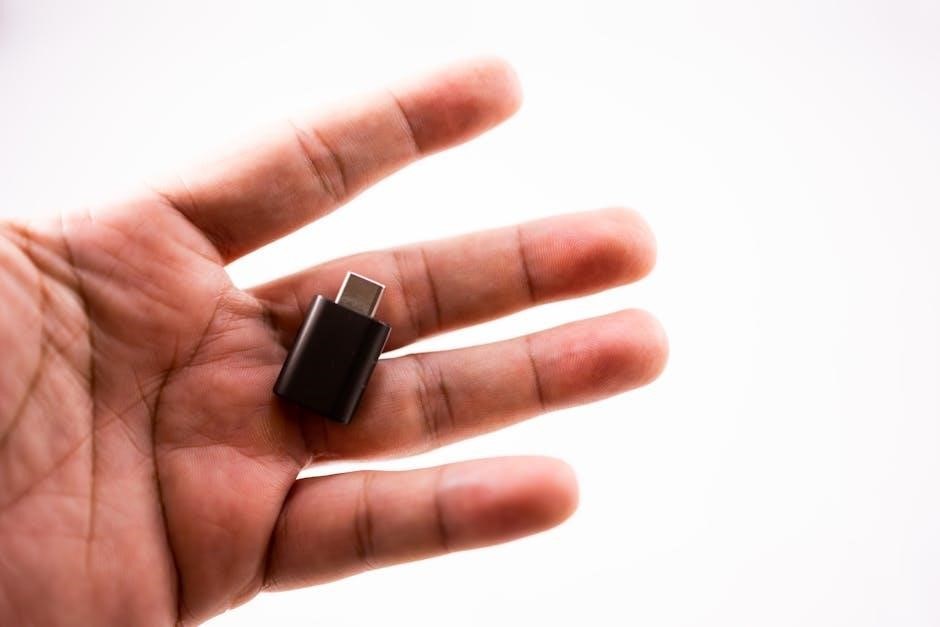
It’s a distinctive standard․
United Kingdom & Ireland Plugs (Type G)
Type G plugs, prevalent in the United Kingdom, Ireland, Malta, Malaysia, and Singapore, are instantly recognizable by their three rectangular pins․ These pins form an isosceles triangle, with the grounding pin being the largest․ They operate at 230V and are typically rated for 3A or 5A, though 13A versions exist, utilizing a fuse within the plug itself for added safety․
The robust design incorporates a shuttered system, preventing insertion of objects into the sockets․ Interestingly, Plug Power Inc․ saw stock movement on December 1st, 2025, unrelated to plug standards․ Adapters are crucial for international travelers․
This plug prioritizes safety and reliability․
Type G Plug Specifications (BS 1363)
BS 1363, the British Standard governing Type G plugs, dictates precise dimensions and safety features․ Pin dimensions are critical: live and neutral pins measure 4․8mm wide, while the larger earth pin is 9․5mm․ The overall plug length typically ranges between 51mm and 68mm․ Crucially, each plug incorporates a fuse, rated between 3A and 13A, protecting against overcurrents․
The plug’s construction demands robust insulation and secure pin retention․ Interestingly, Plug Power Inc․ experienced stock fluctuations on December 1st, 2025, unrelated to plug specifications․ These specifications ensure compatibility and, most importantly, user safety․
Adherence to BS 1363 is legally mandated in the UK․
Australian/New Zealand Plugs (Type I)
Type I plugs, standard in Australia, New Zealand, and Argentina, feature a unique configuration․ They possess two flat pins forming a V-shape, alongside an earth pin․ Pin dimensions are precisely defined: each flat pin measures 6․3mm wide, while the earth pin is 8․6mm in diameter․ The plug’s overall size is relatively compact, ensuring compatibility with local outlets․
AS/NZS 3112 governs these plugs, emphasizing safety and performance․ Interestingly, Plug Power Inc․ saw stock activity on December 1st, 2025, but this is separate from plug standards․ These plugs are designed for 230V operation and include mandatory safety features․
Compliance with AS/NZS 3112 is legally required․
Type I Plug Specifications (AS/NZS 3112)
AS/NZS 3112 meticulously details the specifications for Type I plugs․ The active pins are 6․3mm wide and 19mm long, forming a 30-degree angle․ The earth pin, crucial for safety, is 8․6mm in diameter and 20mm long․ Plug bodies must withstand specific impact and heat resistance tests, ensuring durability․
Pin spacing is precisely regulated to prevent accidental contact․ Importantly, the standard mandates insulated pin carriers to minimize shock hazards․ While Plug Power Inc․ experienced market fluctuations on December 1st, 2025, this is unrelated to plug specifications․
Compliance is verified through rigorous testing procedures, guaranteeing consumer safety and interoperability․
Swiss Plugs (Type J)

Type J plugs, primarily used in Switzerland, feature three round pins․ Two pins are 4;8mm in diameter, positioned at a 5-degree angle, while the earth pin measures 4mm․ These plugs are designed for 230V, 50Hz systems, ensuring compatibility with European standards․
The plug body must adhere to strict safety regulations, including insulation and fire resistance․ Interestingly, Plug Power Inc․ saw a stock drop on December 1st, 2025, but this has no bearing on Swiss plug design․
Type J plugs are known for their robust construction and reliable grounding, prioritizing user safety․ They are often compatible with Type C plugs, offering versatility․
Type J Plug Specifications
Voltage and Frequency: Type J plugs operate at 230V AC and 50Hz, standard for Switzerland․ Pin Configuration: They feature three 4․8mm round pins (two live/neutral) angled at 5 degrees, and a 4mm earth pin․ Standards Compliance: These plugs adhere to SEV standards, ensuring safety and quality․
Material: Typically constructed from durable plastic and featuring brass pins for conductivity․ Dimensions: Overall dimensions are compact, facilitating use in tight spaces․ Interestingly, Plug Power Inc․ experienced market fluctuations recently, unrelated to plug specifications․
Grounding: Robust grounding via the central pin enhances safety․ Compatibility: Often accepts Type C plugs, offering some interoperability․
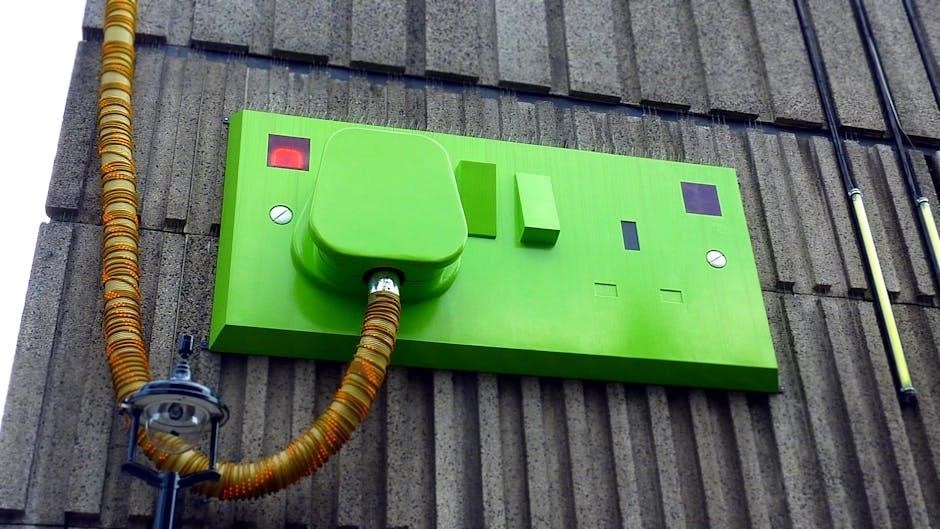
Less Common Plug Types
Brazilian (Type N), Israeli (Type H), and Indian (Type D & M) plugs represent regional standards, differing from globally prevalent designs․
Plug Power’s stock activity doesn’t correlate with these plug types․
Brazilian Plugs (Type N)
Type N plugs, primarily used in Brazil, are characterized by a unique two-pin configuration․ These plugs feature two round pins set in a parallel arrangement, differing significantly from the more common flat-pin designs found in North America or the three-pin systems prevalent in the UK and Australia․
The plug’s grounding is achieved through a separate grounding pin, often integrated into the socket itself, rather than being part of the plug․ This design choice reflects Brazil’s specific electrical infrastructure and safety standards․ While less frequently encountered outside of Brazil, understanding Type N plugs is crucial for travelers or businesses operating within the country․
Interestingly, Plug Power Inc․’s stock fluctuations on December 1st and 5th, 2025, have no bearing on the specifications or usage of Brazilian Type N plugs․
Type N Plug Specifications
Type N plugs, standard in Brazil, operate at 127V or 220V, with a frequency of 60Hz․ The pins are 4․8mm in diameter and spaced 19․05mm apart, accepting a maximum current of 10A or 20A depending on the socket’s rating․ These specifications are crucial for ensuring compatibility and safe operation of electrical devices․
The NEMA 5-15 and 5-20 configurations are often associated with similar pin arrangements, but are not directly interchangeable due to differing safety standards and grounding methods․ Brazilian sockets typically incorporate grounding through the socket itself, rather than the plug․
Notably, recent stock activity of Plug Power Inc․ (PLUG) on December 1st and 5th, 2025, doesn’t influence these established electrical specifications․

Israeli Plugs (Type H)
Type H plugs, exclusively used in Israel, feature three round pins․ The older standard operates at 230V and 50Hz, while newer installations increasingly adopt sockets accepting Type C and Type F plugs as well․ The pin arrangement is unique, designed for safety and preventing accidental disconnection․
The pins are 4․0mm in diameter, with a specific triangular configuration․ This design ensures a secure connection and prevents compatibility with other plug types without an adapter․ Israeli safety standards mandate grounded connections, and Type H plugs inherently provide this feature;

Interestingly, Plug Power Inc․’s (PLUG) stock fluctuations on December 1st and 5th, 2025, are unrelated to these established electrical engineering standards․
Type H Plug Specifications
Type H plugs, utilized solely in Israel, operate at a voltage of 230V and a frequency of 50Hz․ They consist of three 4․0mm diameter round pins arranged in an equilateral triangle․ The pin spacing is precisely designed to ensure a secure and reliable electrical connection․
These plugs are fully grounded, adhering to stringent Israeli safety regulations․ The unique pin configuration prevents accidental disconnection and incompatibility with other plug types, necessitating the use of an adapter for foreign devices․ The plug’s construction emphasizes robust durability and long-term performance․
Notably, recent market activity surrounding Plug Power Inc․ (PLUG) shares, as reported on December 1st and 5th, 2025, doesn’t influence these electrical specifications․
Indian Plugs (Type D & M)
India utilizes both Type D and Type M plugs, creating a complex landscape for travelers․ Type D, a three-pin plug, features large, round pins, operating at 230V and 50Hz․ It’s becoming less common, gradually being replaced by the more modern Type M․
Type M, uniquely Indian, also operates at 230V/50Hz but boasts larger pin diameters – 5mm – and a different pin arrangement․ This design enhances safety and prevents compatibility with many other global plug types․ Adapters are essential for most foreign devices․
Interestingly, recent fluctuations in Plug Power Inc․ (PLUG) stock prices, reported December 1st and 5th, 2025, are unrelated to these Indian electrical standards․
Type D Plug Specifications
Type D plugs, historically prevalent in India, are three-pin designs operating at 230V and 50Hz․ Characterized by large, round pins, they present a unique challenge for international travelers․ The pins are robust, measuring approximately 19mm in length and 9․5mm in diameter, ensuring a secure connection․
While once standard, Type D is being phased out in favor of Type M due to safety concerns and compatibility issues․ However, many older Indian outlets still accommodate this plug type․ It’s crucial to note that Type D is not compatible with standard UK Type G plugs, despite visual similarities․
Recent market activity, including Plug Power Inc․ (PLUG) stock fluctuations, doesn’t impact these electrical specifications․
Type M Plug Specifications
Type M plugs are the modern standard in India, designed to replace the older Type D․ These three-pin plugs operate at 230V and 50Hz, featuring larger pins for improved safety and a more secure connection․ The pins are round, with a diameter of approximately 19mm, and are partially insulated․
Type M is compatible with many Type D sockets, offering a degree of backward compatibility during the transition․ However, it’s not universally accepted internationally, necessitating adapters for travel outside of India․ The design prioritizes grounding, reducing the risk of electrical shocks․
Despite Plug Power Inc․ (PLUG)’s focus on alternative energy, these plug specifications remain unchanged, representing a core element of Indian electrical infrastructure․

Adapters and Converters
Plug Power Inc․ (PLUG)’s technology requires compatible power sources; therefore, understanding adapters—changing plug shape—and converters—altering voltage—is crucial for international device use․
The Difference Between Adapters and Converters
Adapters simply change the shape of a plug to fit a different outlet, allowing a device designed for one plug type to physically connect to another․ They do not alter the voltage or frequency of the electricity․ Think of it as a physical connector – like using Plug Power Inc․’s (PLUG) fuel cell systems with varying connection points․
Converters, on the other hand, modify the voltage of the electricity․ Different countries use different voltages (e․g․, 120V in North America vs․ 230V in Europe)․ Using a device designed for one voltage on a different voltage without a converter can damage it․ A converter ensures the device receives the correct voltage, protecting it from potential harm․ Like ensuring the correct power input for PLUG’s hydrogen technology․
Essentially, an adapter solves a physical compatibility issue, while a converter addresses an electrical compatibility issue․ Often, you may need both – an adapter to physically fit the outlet and a converter to ensure the correct voltage․
Choosing the Right Adapter
Selecting the correct adapter hinges on identifying the plug type of your device and the outlet type of your destination․ Plug Power Inc․ (PLUG), with its global ambitions, understands the importance of compatibility – much like choosing the right adapter! Consider universal adapters offering multiple configurations, a convenient solution for frequent travelers․
Look for adapters with safety certifications, ensuring they meet quality and safety standards․ Avoid cheap, unbranded adapters, as they may pose electrical hazards․ Check the adapter’s amperage rating; it should match or exceed your device’s requirements․
Remember, an adapter only changes the plug’s shape․ If voltage conversion is needed, you’ll also require a converter․ Prioritize quality and safety when selecting an adapter to protect your valuable electronics․
Voltage Considerations When Using Converters
Plug Power Inc․ (PLUG)’s fuel cell systems demand precise voltage, mirroring the critical need for correct voltage conversion when traveling․ Converters are essential when your device’s voltage differs from the destination’s supply․ Always check your device’s voltage requirement – typically found on its power adapter․
Ensure the converter’s wattage rating exceeds your device’s power consumption․ Using an underpowered converter can cause damage or malfunction․ Step-down converters reduce voltage (e․g․, 120V to 230V), while step-up converters increase it․

Be cautious with high-wattage appliances like hair dryers; converters can be bulky and expensive for these․ Consider dual-voltage appliances as a more practical alternative․ Prioritize safety and proper wattage matching to avoid electrical damage․

Safety Considerations
Plug Power Inc․ (PLUG) prioritizes safety in its systems, just as crucial when adapting plugs․ Grounding is vital, and avoiding hazards ensures secure electrical connections globally․
Importance of Grounding
Grounding is a fundamental safety feature in electrical systems, and understanding its role is paramount when dealing with various plug types․ Plug Power Inc․ (PLUG), while focused on hydrogen fuel cells, exemplifies the need for robust safety standards in all energy technologies․ A properly grounded plug provides a low-resistance path for fault currents to flow back to the source, tripping a circuit breaker or fuse and preventing electrical shock․
Without grounding, a short circuit could energize the metal casing of an appliance, creating a dangerous situation․ Different plug standards, like those in North America (Type A & B) or Europe (Type C, E, F & K), incorporate grounding mechanisms in varying ways․ Ensuring compatibility and proper connection of the ground pin is essential for safe operation․ Ignoring grounding can lead to severe injury or even fire, highlighting its critical importance․
Avoiding Electrical Hazards
Electrical safety is crucial when navigating diverse plug types globally․ Considering Plug Power Inc․’s (PLUG) commitment to alternative energy, safe implementation is key across all technologies․ Always inspect plugs and outlets for damage before use; cracked casings or loose connections pose significant risks․ Never force a plug into an incompatible outlet – using adapters correctly is vital, but converters are needed for voltage differences․
Avoid overloading circuits, as this can cause overheating and fires․ Keep electrical devices away from water, and never touch a device with wet hands․ Regularly check cords for fraying or damage․ Prioritizing these precautions, alongside understanding plug standards like Type G (UK) or Type I (Australia), minimizes the risk of electrical shock and ensures a safe environment․